Process
From raw capture to a production dataset
- 01Output · Data inventory
Ingest
Any capture, any rig.
Robot rollouts, teleoperation, egocentric video, depth, LiDAR, IMU and joint states. We read your formats as they are (MCAP, ROS bags, HDF5, video plus logs) and inventory what's there.
- 02Output · Clean-up log
Clean
Only frames worth training on.
Near-duplicates, blur, bad exposure, dropped frames and broken episodes are found and removed or repaired. Faces and plates are anonymized where needed.
- 03Output · Calibration report
Correct geometry
Right place, right scale, right time.
Camera intrinsics and extrinsics are checked, depth and LiDAR are registered to the cameras, coordinate frames and units are unified, and every stream is aligned to one clock.
- 04Output · Labels
Label
Human-reviewed, frame by frame.
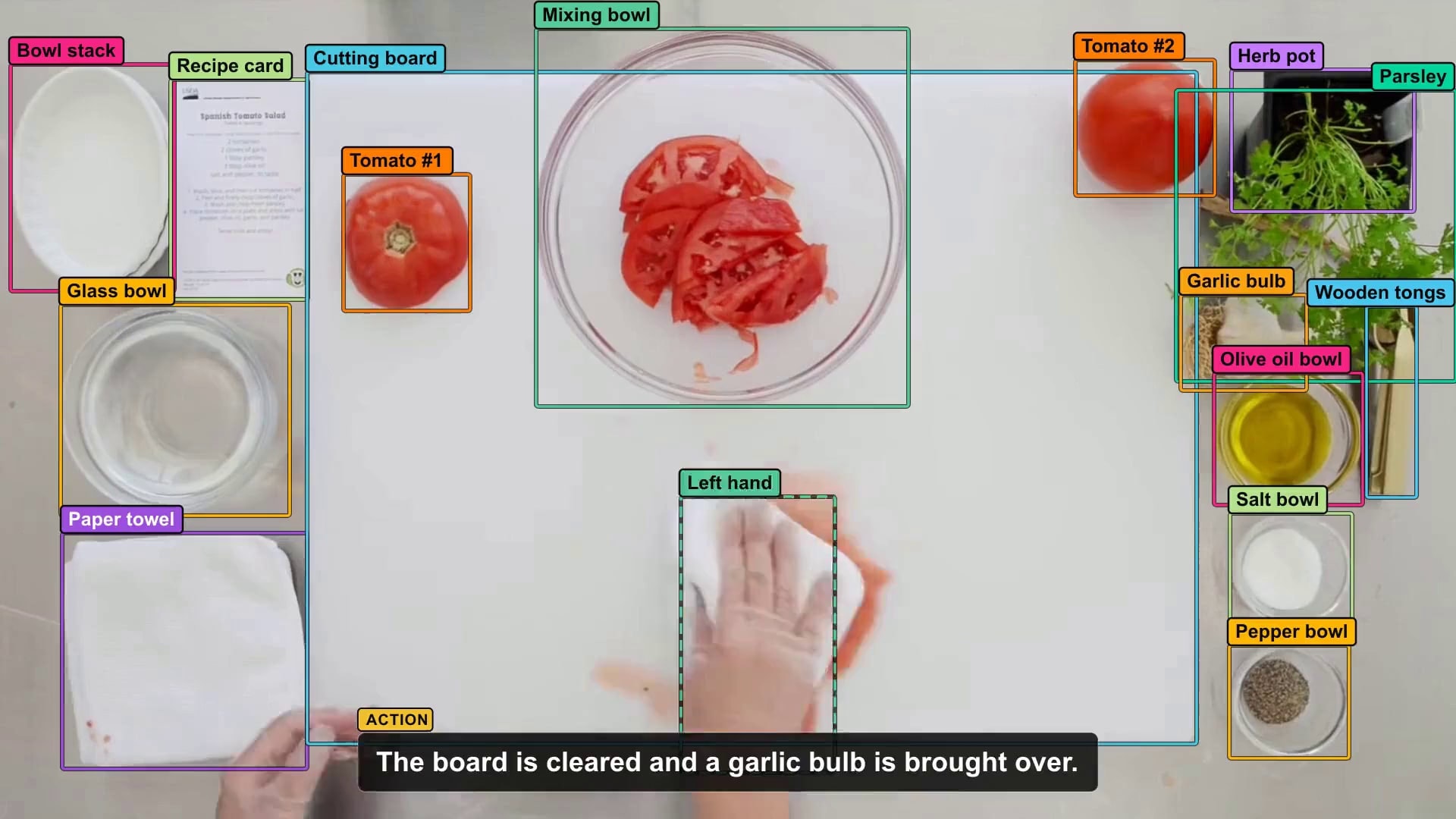
Boxes, masks, tracks, 3D cuboids, hand and body keypoints, contacts and task captions. AI pre-labels where they help; a person reviews and corrects every item.
- 05Output · Quality report
Validate
Proof, not promises.
Schema checks, cross-sensor consistency, track continuity and a second reviewer's spot-check on every batch, summarised in a quality report.
- 06Output · Production dataset
Deliver
Drops straight into training.
COCO, YOLO, CVAT, LeRobot-style episodes, JSON or your own schema, with a dataset card. Fixes to anything we delivered are included.
Data processing
Raw capture is mostly repetition. We scored every frame of three raw 30-second clips for sharpness and duplication, removed what would only add noise, and normalised colour and exposure on what was left.
worth labeling
- Near-duplicates removed0
- Blurred or transition frames removed0
- Frames kept for labeling0
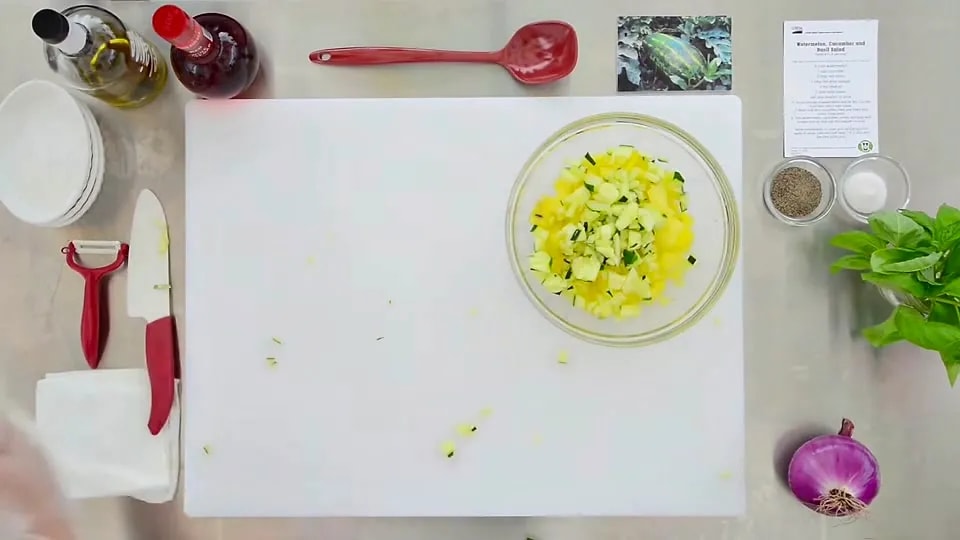
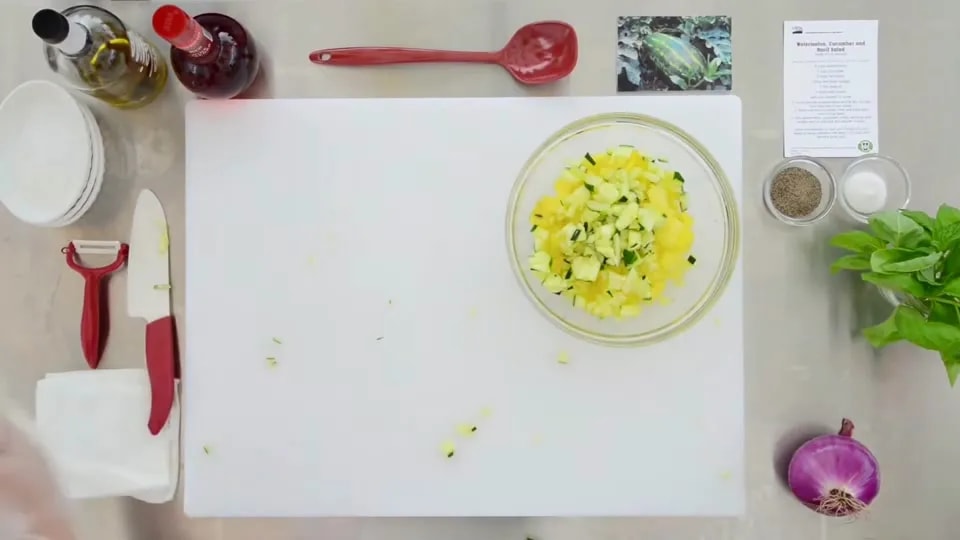
Kept frame · raw vs. colour and exposure normalised
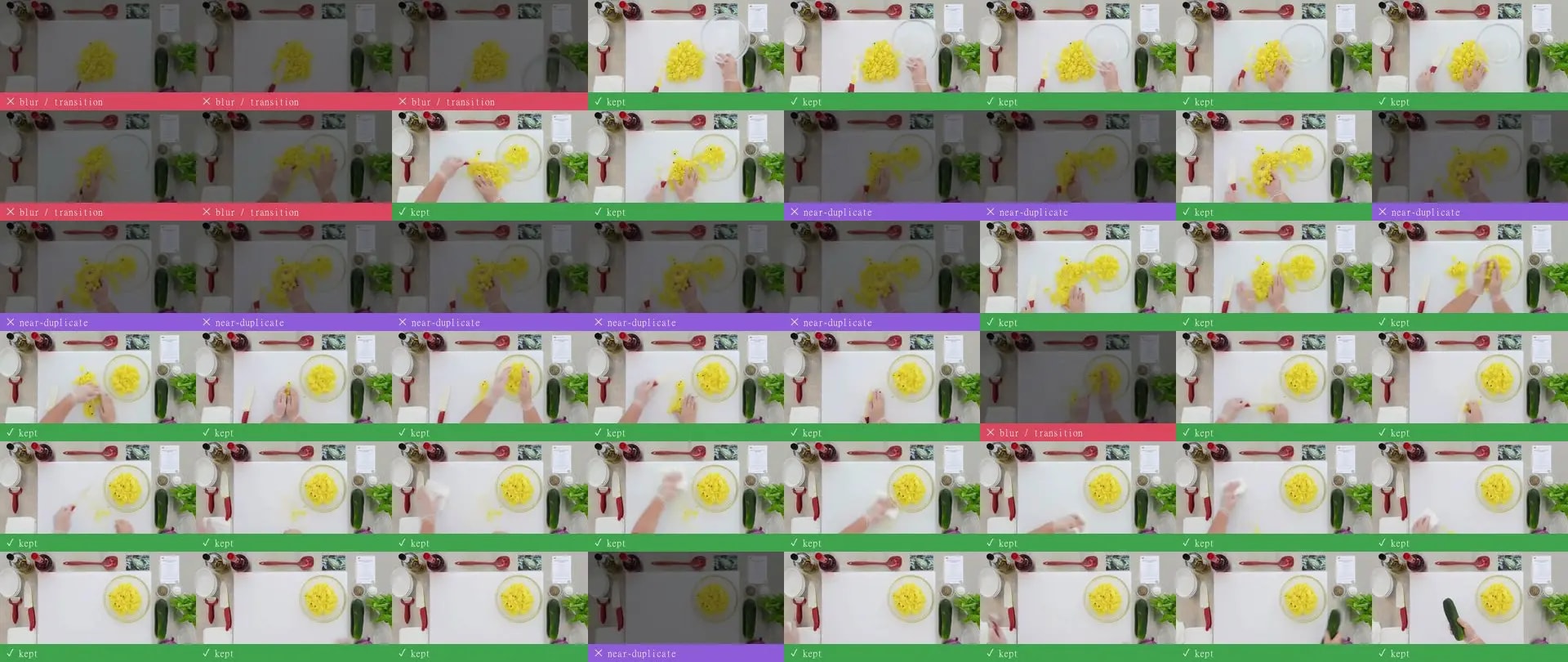
48 consecutive frames (4.8 s) and their verdicts. Blur = least sharp 10% of each clip; duplicate = hash distance ≤ 2 from the last kept frame.
One raw clip in. A training-ready dataset out.
Inside a delivery
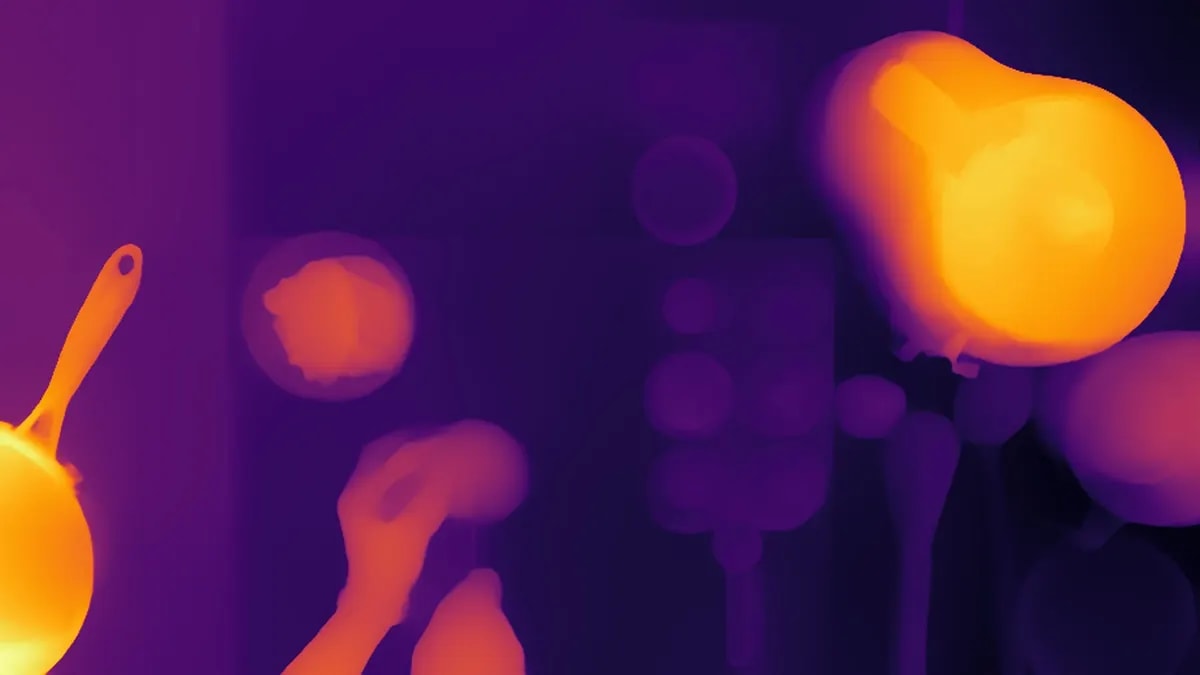 Depth
DepthObject tracks, hand-object contacts, timed captions and per-frame depth, packaged as a dataset your training code can load straight away.
How it works
See the quality first. Then scale.
- Day 001
Send a sample
10 to 20 frames or a short clip, plus what you need labeled.
- ≤ 48h02
Free pilot in 48 hours
Labeled to your guidelines, with a quality report.
- Per item03
Scale up
Fixed per-image or per-minute pricing. No minimum contract.
- Every batch04
Ongoing QA
Every batch human-reviewed. Fixes included.
See your own data labeled before you pay anything.
Send 10 to 20 frames or a short clip. We label them to your guidelines and send a quality report within 48 hours.